

Quick answer
Are Santorini wine tours worth it? For visitors interested in volcanic viticulture, indigenous grape varieties, and caldera views paired with tastings, the experience delivers substance beyond standard wine tourism. Most wineries operate daily from 11:00 to 20:00, with tasting fees ranging from €12 to €55 per person depending on the estate and flight selection. The value proposition rests on the distinctiveness of the terroir and the access to family estates and cave wineries that define the island's agricultural identity.
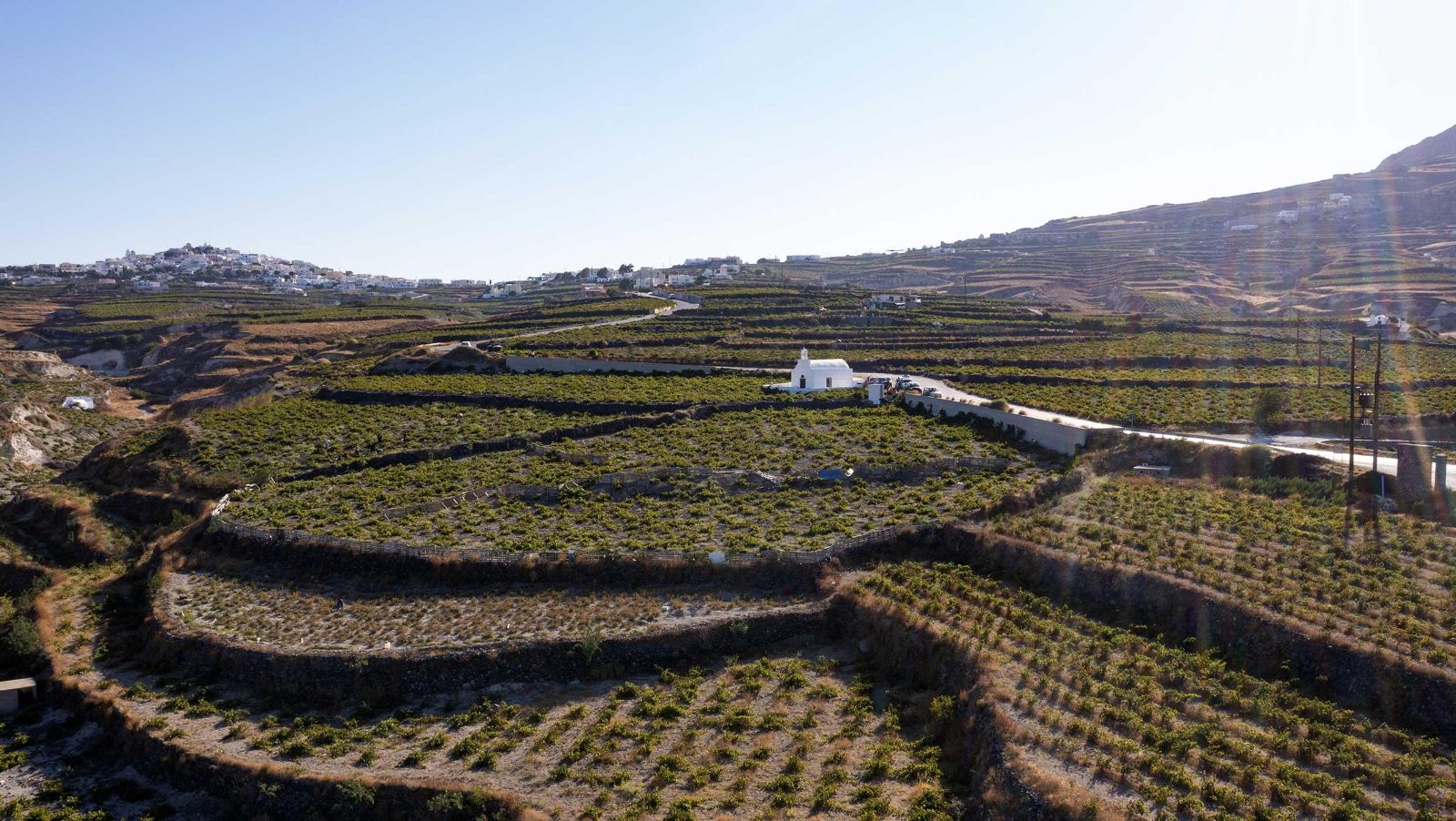
Santorini cultivates vines in baskets pressed flat against pumice and ash, a farming method shaped entirely by wind and drought. The island receives minimal rainfall, and phylloxera never reached its ungrafted rootstock. What grows here—assyrtiko, aidani, athiri—tastes of salinity and minerality that reflects centuries of adaptation to volcanic soil. The question of whether Santorini wine tours merit your hours and euros hinges on how much that specificity matters to you. Most estates open at 11:00 and close at 20:00 across the week, with no entry fees to the grounds themselves. Tasting experiences start around €12 for a basic flight and climb to €55 for extended sessions that include vineyard walks, cellar access, or food pairings. These are not large-scale commercial operations; many remain family-run properties where the person pouring your glass may also prune the vines. The caldera-facing estates attract sunset crowds, but the inland producers—especially those near Megalochori and Pyrgos—offer quieter encounters with the same grape varieties and often more candid conversations about yields, grafting, and the island's viticultural constraints. The typical visit lasts ninety minutes to two hours. You taste three to six wines, learn the basket-pruning technique, and hear how summer heat concentrates sugars while the Aegean wind moderates alcohol levels. Some wineries incorporate museum exhibits on traditional wine presses or pre-industrial storage methods. Others focus exclusively on the glass in front of you. Whether this adds up to value depends on your tolerance for structured tastings, your interest in indigenous varietals, and how you weigh a €30 tasting against other ways to spend an afternoon on the island. Arriving between 11:00 and 16:00 avoids both the midday heat spike and the evening rush tied to sunset-chasing itineraries. Reservations help at the better-known estates, especially from May through October, though walk-ins often succeed at smaller producers. The experience rewards visitors who approach it as agricultural education rather than day-drinking with a view—though the caldera panoramas from certain terraces do not hurt.
“Santorini cultivates vines in baskets pressed flat against pumice and ash, a farming method shaped entirely by wind and drought.”
Pricing Transparency: Are Santorini Wine Tours Worth It for Your Budget?
Admission fees for Santorini wineries are structured around the specific tasting experience selected rather than a standard entry charge. Costs depend primarily on the number of wines sampled and the inclusion of accompanying food pairings.
A typical adult pays between 12 and 55 EUR per person, with the final cost determined by the specific tasting flight or food selection.
The Best Time to Visit to See if Santorini Wine Tours Are Worth It
The best arrival window is 11:00–16:00, which avoids peak afternoon heat and sunset crowds while ensuring full staff availability. Visiting during this timeframe allows for a more personalized experience when winery staff are most prepared to provide detailed insights.
Shoulder Season (April, May, October)
Low to moderate cruise ship trafficMild temperatures ranging 18°C to 24°C
These months offer a balance of comfortable climate and lower visitor density compared to summer. You will find more space at tasting counters and quicker service.
Weekday Mornings
Minimal independent traveler presence—
Arriving at 11:00 allows you to experience the vineyards before the arrival of larger afternoon tour groups. This window is ideal for those who prefer a quieter environment for wine education.
Summer Peak (June to September)
High cruise ship and island trafficHot conditions exceeding 28°C
Expect larger crowds throughout the day during these months. Scheduling your visit within the 11:00–16:00 window remains critical to mitigate the impact of peak heat and high volume.
Verdict: The most favorable conditions for a wine tour occur from Tuesday to Thursday, arriving at the 11:00 opening window during the shoulder months of April or October.
Operating Hours for Assessing if Santorini Wine Tours Are Worth It
Wineries across Santorini maintain a consistent daily schedule to accommodate visitors. The locations operate on the same hours throughout the week.
| Monday | 11:00–20:00 | |
|---|---|---|
| Tuesday | 11:00–20:00 | |
| Wednesday | 11:00–20:00 | |
| Thursday | 11:00–20:00 | |
| Friday | 11:00–20:00 | |
| Saturday | 11:00–20:00 | |
| Sunday | 11:00–20:00 |
Navigating Island Transport: Are Santorini Wine Tours Worth It for Ease of Arrival?
Wineries are distributed across various locations across Santorini, Greece, making logistical planning essential for your visit. While private transport offers flexibility, organized tours provide the benefit of door-to-door transit between locations.
Epar.Od. Firon-Ormou Perissis or local village roads
KTEL Santorini bus network via Fira station
Island-wide private hire
Essential Tips to Decide if Santorini Wine Tours Are Worth It
Navigating the island's unique viticulture requires focus on specific local conditions and logistical nuances.
Prioritize Assyrtiko grapes
Focus your tastings on the indigenous Assyrtiko variety, which thrives in the island's volcanic soil and produces a distinctively high-acid, mineral profile. Ask specifically for aged versions to experience how this grape develops over time.
Manage transit expectations
Public bus schedules can be unpredictable during high season, often leading to delays that disrupt reserved appointments. Renting a private vehicle or arranging pre-booked transfers provides the necessary reliability for visiting multiple estates in one day.
Understand basket vine training
Notice the 'kouloura' method, where vines are woven into low-lying baskets to protect grapes from harsh winds and intense sun. Respect these structures by staying on marked paths, as the vines are fragile and easily damaged by foot traffic.
Combine winery and local food
Seek out estates that pair their flights with local snacks like fava, chlorotyri cheese, or tomato gefthedes. Tasting these wines alongside regional ingredients provides a more complete understanding of why Santorini wines pair so well with Mediterranean cuisine.
Book tastings directly
Contacting wineries directly or using verified booking platforms ensures your space is confirmed, especially for smaller, family-run estates. Large groups often saturate availability, so advance coordination is necessary.
Check availability
Common questions: Are Santorini wine tours worth it?
Everything you need to know about are santorini wine tours worth it